Antarctica camping: What's it like?

13 November 2024

CONTACT US TO LEARN MORE

Antarctica camping: What's it like?

Antarctica camping: What's it like? Your bucketlist!
So you’ve travelled all the way to the seventh continent, the white wonder, Antarctica. How can you be more adventurous than that? Well, there is a way — spend a night on the continent.

For those who have a bucket list as long as their arm, ask LTTravel Connection how and what offers we have for the chance to set up camp right on the icy shores of Antarctica. Here's a primer for those who may be considering the experience:

What’s it like?
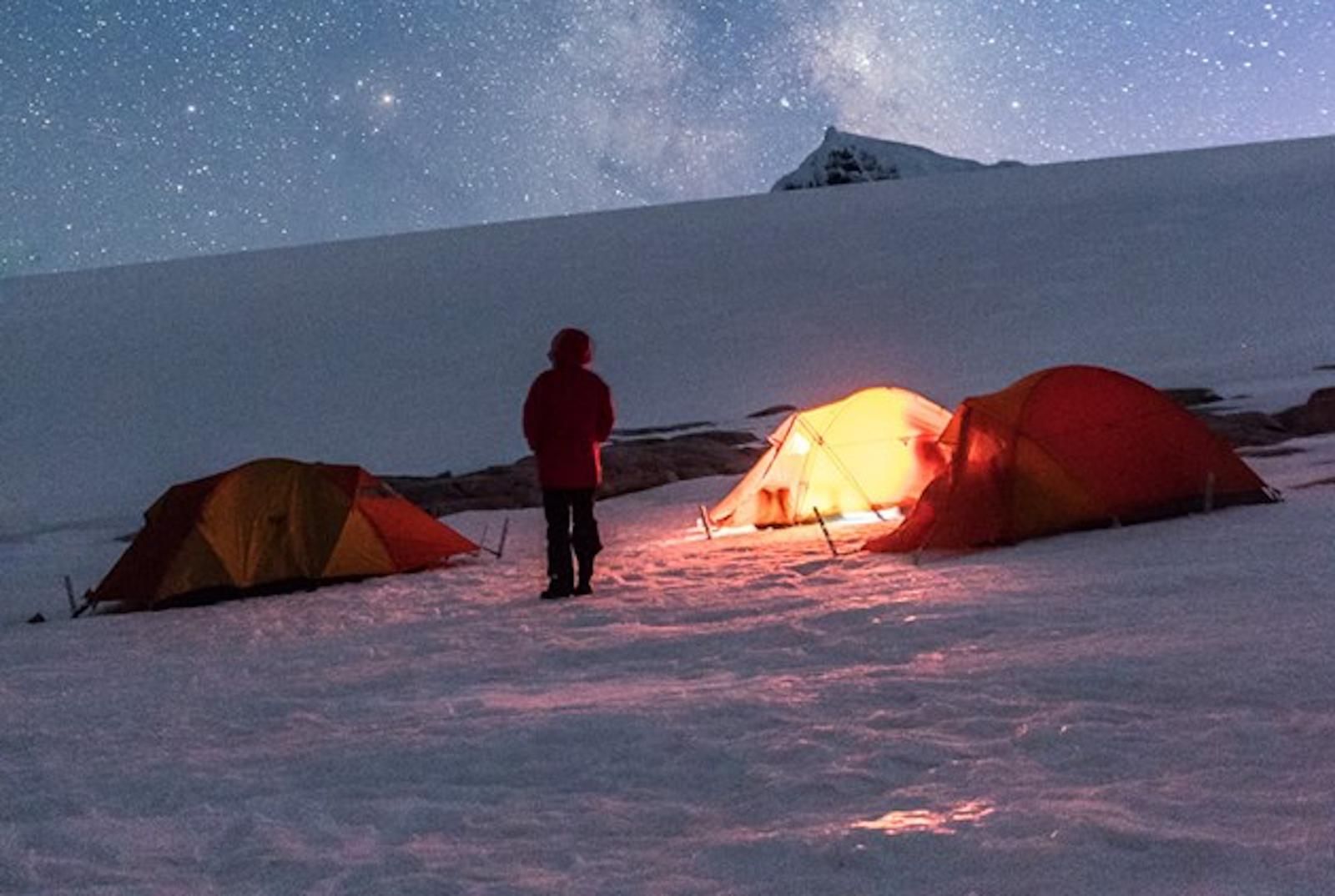
After finishing a warm meal in the Expedition dining room you’ll collect your belongings and head ashore. You'll be provided a two-person tent, to be shared with another member of the same sex.
As the saying goes: “There’s no bad weather, just bad clothing.” If you’ve signed up for the camping, you’re best to bring some warm clothes to sleep in — thermal underwear is advisable. One of our vendors G Adventures provides excellent sleeping bags, liners, tents, and air mattresses; however, the clothing is up to you. As you will be in the open air for a good part of the evening, an extra fleece would be handy to have. A hat, gloves or mittens, and extra-thick socks are a necessity for a chilly evening, and a good windproof, waterproof parka and pants will keep you extra warm and comfortable.
Previous camping experience is not necessary to participate.

What will I see?
This depends on the season. From October to mid-February, you’ll sleep under the glow of a midnight sun. If you’re visiting in the later ends of the season, into the end of February and March, you’ll be rewarded with the best stars you’ve ever seen. The lack of light pollution allows you to see the night sky with great clarity, and one of your Expedition team will be there point out the constellations for you.
Also, be on the lookout for curious penguins wandering among the tents.
Can I take some food and drinks?
Unfortunately no, you can’t bring along that fantastic dessert you stole from dinner. Food and drink are not permitted on land in Antarctica to avoid spoiling the pristine wilderness. You’re permitted to bring water ashore, in a water bottle provided on board the ship.

What about the bathroom?
We encourage everyone to use the bathroom before heading ashore. But as the saying goes, “When you’ve got to go, you’ve got to go," so we do bring a portable toilet ashore for any late-night journeys to the bathroom.

Can I book camping after I'm on the ship?
No — for insurance reasons, camping needs to be booked in advance, and spaces are limited to 60 campers per departure. Please note, not all departures are able to offer camping.
by Lillian Miller • 28 October 2026
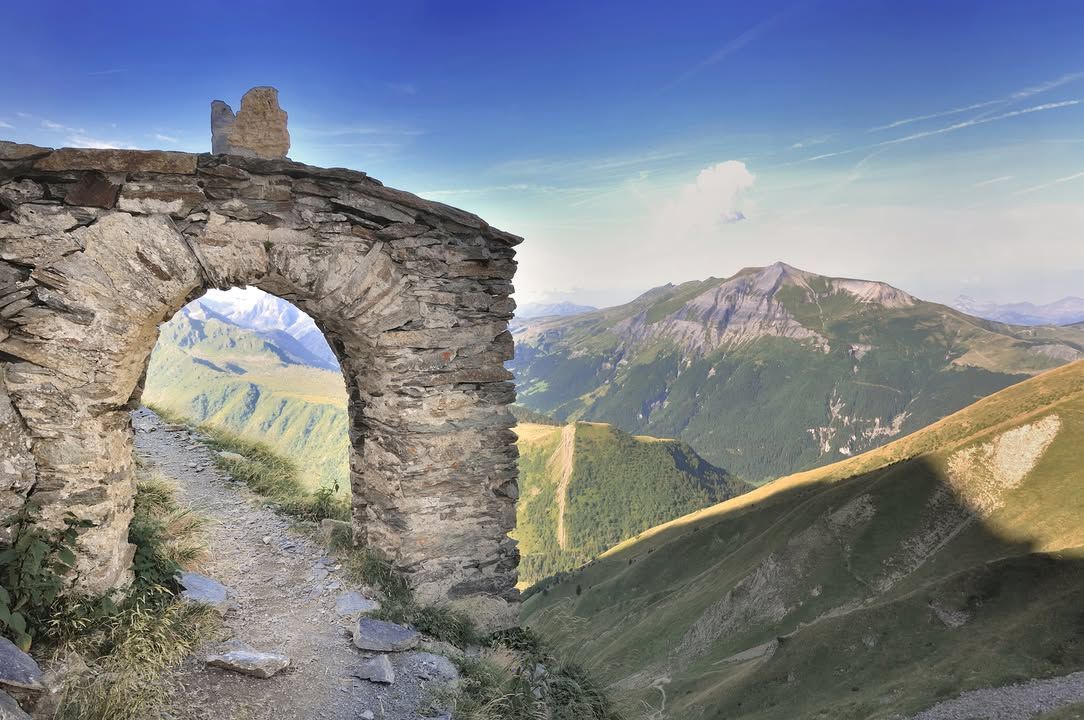
Now is the time to think Switzerland with fall and winter here upon us. The Swiss Alps are not only about stunning landscapes and adventure sports; they are also steeped in rich cultural experiences. Visiting local villages allows you to immerse yourself in the traditions and lifestyles of the Swiss people. Don’t miss the chance to participate in an Alpine cheese farm visit, where you can learn about traditional cheesemaking and taste authentic Swiss cheeses. Additionally, exploring the charming towns like Grindelwald and Lauterbrunnen offers insights into Swiss architecture, local crafts, and cuisine. Each village has its own unique charm, making them worthy stops during your adventure in the Alps. Breathe in the crisp alpine air as you wander through picture-perfect mountain villages, lush green meadows, and breathtaking snow-capped peaks. From scenic hikes to cozy chalet stays, the Swiss Alps promise unforgettable moments. This is just the start. Contact me to plan your alpine escape! #SwissAlps #Switzerland #MountainEscape #NatureLovers #lttravelconnection
by Lillian Miller • 27 October 2026
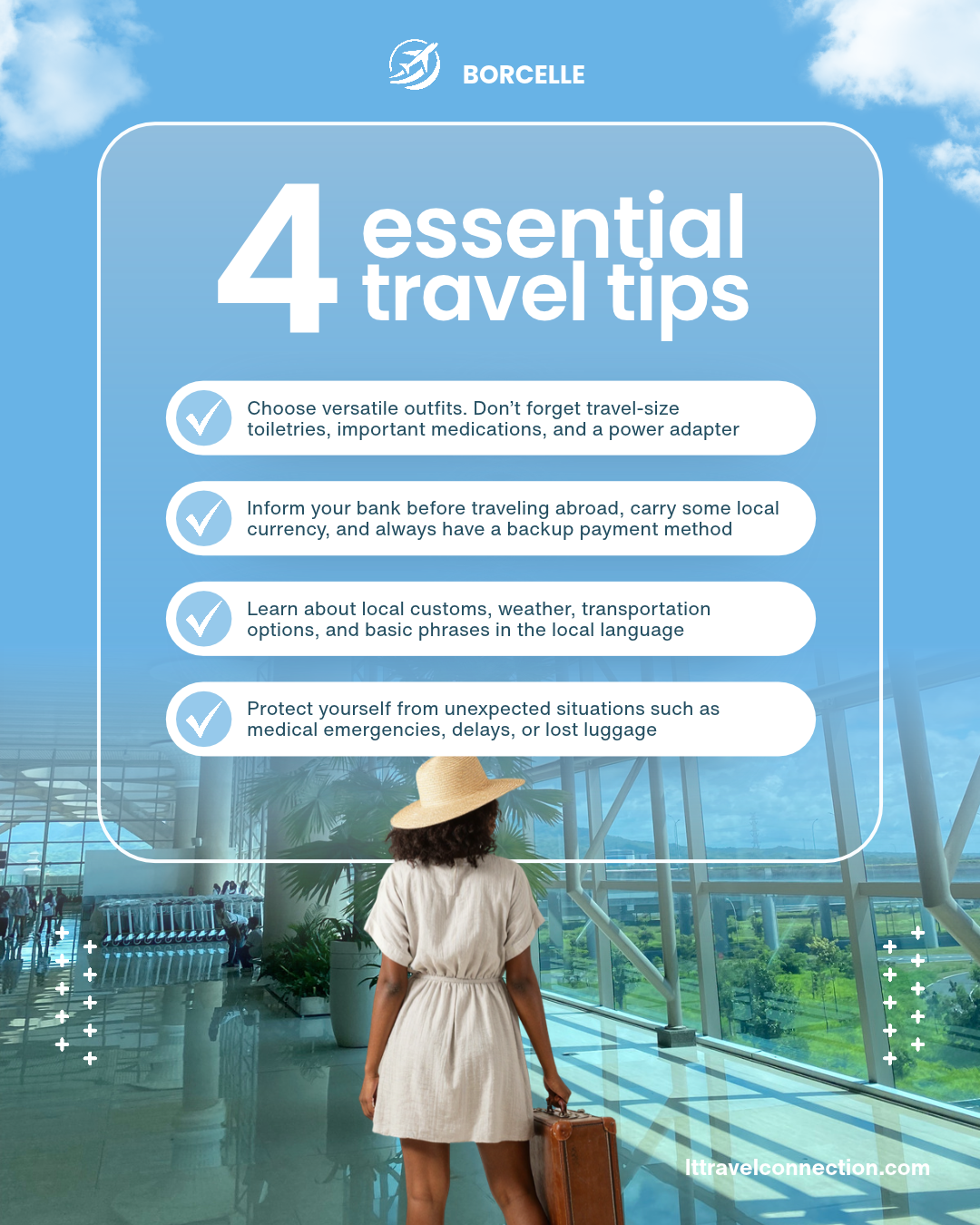
ravel Tuesday is these four essential travel Tips #vacatio #lttravelconnection
by Lillian Miller • 23 October 2026
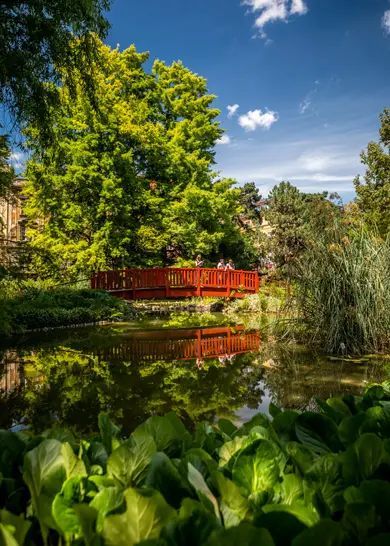
Zagreb makes it easy to find a pocket of calm. In Zagreb, nature spills across the city in every direction: Parks, gardens, and forests cover nearly three-quarters of the Croatian capital, giving it the second-highest concentration of green space of any European metropolis, according to the European Environment Agency. Locals weave nature into their daily lives, as families gather by lakes, working professionals linger on shady benches over lunch, and hikers set off on forested trails, all without ever leaving the city limits. For travelers, this great urban outdoors offers a pleasant combination: a lively European city packed with cultural landmarks and sprawling leafy escapes just a tram ride – or a short stroll – away. The Best Parks for Playing and Lounging Zagreb’s parks are more than just pretty sights. On weekends, families flock to 135-acre Bundek Park, which stretches between the Liberty and Youth bridges just south of the city center. A pair of lakes anchor the scene, surrounded by a roller-skating track, walking and cycling paths, volleyball courts, and three impressive playgrounds. It’s a popular spot for picnics and barbecues, and in June, its open-air stage transforms for the monthlong Pop Up by the Lake festival, with yoga sessions, stand-up comedy, craft workshops, and DJ sets. Bundek’s wide meadows and lakeside benches invite quiet moments too, whether for reading, people-watching, or taking a break before or after exploring the nearby Museum of Contemporary Art. A 15-minute drive northeast, travelers will find Maksimir, Zagreb’s oldest and perhaps most storied park. Opened in 1794 under Bishop Maksimilijan Vrhovac, it was southeast Europe’s first public park. This 780-acre green space was laid out in the English landscape-garden style, with verdant lawns, meandering paths, carefully framed views, and charming pavilions designed by architect Franz Schücht. Wide promenades stretch beneath canopies of mature oaks, while woodland trails wind toward quiet groves and five small lakes. For Zagreb locals, a visit to Maksimir is a weekend ritual: spreading a blanket on the grass, leading children to the playgrounds and beloved Zoo Zagreb, or pausing near the grand entrance at Restoran Maksimir for local dishes such as soft strukli or crispy Wiener schnitzel. Botanical Beauties on the Green Horseshoe Closer to the city center, Zagreb’s green spaces are more compact but full of character. Zrinjevac Park, just a five-minute walk from popular Ban Jelacic Square, was laid out around 130 years ago by celebrated Croatian urban planner Milan Lenuci. The park, with its central promenade, features neat flower beds, fountains, long rows of plane trees, and an ornate cast-iron music pavilion at the center, where visitors can catch open-air summer concerts and join locals for waltz, swing, or salsa at one of the free dance parties throughout August. In winter, the scene transforms into a glowing Christmas market, with twinkling lights and festive stalls. Zrinjevac forms the northern end of Lenuci’s Green Horseshoe, a U-shaped network of seven public parks and squares winding through Zagreb’s Lower Town. The horseshoe stretches 1.2 miles (about a 30-minute walk), with each section offering a slightly different atmosphere – shaded promenades, sculptural displays, and glimpses of elegant Austro-Hungarian facades. The Botanical Garden, established in 1891 by the University of Zagreb as a teaching and research space, sits at the horseshoe’s southwestern end. Encompassing about 2.5 acres, the garden showcases more than 5,000 plant species, from exotic imports to native Croatian flora. Travelers can walk gravel paths past greenhouses, shaded ponds, and carefully arranged flower beds. #europetravel #luxurytravel #lttravelconnection
More posts