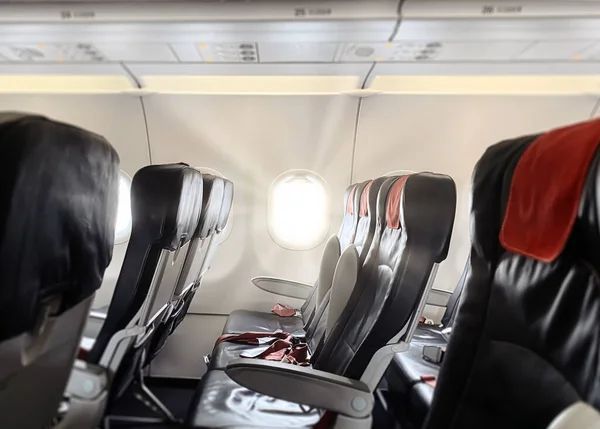
From skipping the seat map to checking in too late, small choices can make a big difference on your next flight.
Letting the Airline Pick Your Seat
Letting the airline pick your seat might feel like the easiest option, but it often means ending up in less desirable spots—like middle seats, back rows, or areas near bathrooms and galleys. What many travelers overlook is how much control they actually have. A quick look at the seat map can help you spot quieter rows, avoid high-traffic areas, and find a more comfortable seat, especially on longer flights.
Ignoring Red Flags on the Seat Map
Skipping a close look at the seat map can lead to completely avoidable discomfort once you’re onboard. It can reveal key details—like proximity to bathrooms, limited recline, or unusual seat configurations—that aren’t always obvious at first glance.
Not Checking in Right Away
Even if you didn’t love the seat you chose when booking your flight, you may have another chance to improve it—if you time it right. Airlines often release additional or previously blocked seats when check-in opens, sometimes including better rows or spots closer to the front. Wait too long, and those options disappear quickly.
Falling for "Great" Seats With Hidden Downsides
Some seats look like obvious upgrades on the seat map, but they don’t always deliver in reality, often trading one perk for multiple hidden downsides. For example, “Exit rows and the last row of the cabin are the two biggest traps.” we add that while exit rows offer extra legroom, they often have limited recline and fixed armrests, making them less comfortable than expected.
Not Looking Up Your Aircraft
A row that works on one aircraft might be a poor choice on another, depending on layout and spacing. To avoid that, we recommends doing a quick online search to “look up your specific aircraft configuration before you pick." “What's considered a great row on one airline can be a miserable choice on another.”
Overpaying (or Underpaying) for Seat Selection
Not every upgrade is worth it—and not every free seat is a good deal. The real mistake is treating seat selection as all-or-nothing rather than considering when comfort actually matters.
On longer flights, paying for extra space or a better location can make a noticeable difference; however, on shorter trips, it’s often not worth the extra money.
Not Asking for a Better Seat
Even if your seat isn’t ideal, you’re not necessarily stuck with it. In fact, says Yoon, one of the most overlooked strategies is simply asking—either at check-in or at the gate—when more flexibility becomes available. "Frequently, gate agents will assign extra legroom seats if they can see you’d benefit from extra space, and you’re nice about it.”
#lttravelconnection